

Table of Contents
- Introduction
- Why Food Affects Your Mood
- 7 Best Foods That Boost Mood
- Other Eating Habits That Improve Mental Well-being
- Frequently Asked Questions
- Conclusion
Introduction
Have you ever noticed that some days you feel irritated, tired, or mentally drained for no clear reason? Surprisingly, your diet may be a major factor behind your mood.
Modern research shows that the brain and digestive system are deeply connected. What you eat directly affects neurotransmitters like serotonin and dopamine — the chemicals responsible for happiness and emotional balance.
According to studies referenced by the World Health Organization, maintaining a healthy diet is one of the key lifestyle factors for supporting mental well-being and preventing stress-related disorders.
In this article, we will explore 7 scientifically supported foods that boost mood naturally, along with simple lifestyle tips that can help you maintain emotional balance throughout the day.
Why Food Affects Your Mood
Your brain needs a constant supply of nutrients to function properly. When you eat healthy foods, they provide vitamins, minerals, and antioxidants that support brain health.
Certain foods can increase the production of serotonin, often called the “feel-good hormone.”
Research from Harvard Medical School explains that a balanced diet rich in whole foods helps stabilize mood and reduce anxiety symptoms.
However, unhealthy eating habits like skipping meals or consuming excessive processed foods can lead to mood swings and fatigue.
For example, skipping your first meal of the day can negatively affect mental focus and emotional balance. If you want to understand this better, you can read our detailed guide on https://wikiawareness.org/skipping-breakfast-effects/, which explains how breakfast influences energy and brain performance.
7 Best Foods That Boost Mood Naturally
1. Dark Chocolate

Dark chocolate is one of the most popular mood-boosting foods.
It contains compounds that stimulate the brain to release endorphins and serotonin, which improve feelings of happiness.
Benefits:
- Reduces stress hormones
- Improves brain function
- Provides antioxidants
However, moderation is important. A small piece of dark chocolate (70% cocoa or higher) is enough to enjoy the benefits.
2. Fatty Fish (Rich in Omega-3)

Fatty fish such as salmon, sardines, and mackerel are rich in omega-3 fatty acids, which play an important role in brain health.
Studies show omega-3 can:
- Reduce symptoms of depression
- Improve cognitive performance
- Support emotional stability
Omega-3 fatty acids help maintain the structure of brain cells and enhance communication between neurons.
3. Bananas

Bananas are a natural source of vitamin B6, which helps the body produce serotonin.
They also contain natural carbohydrates that increase the absorption of tryptophan, an amino acid linked to happiness.
Why bananas help mood:
- Provide quick energy
- Support serotonin production
- Improve concentration
Bananas are a simple snack that can instantly boost both mood and energy.
4. Nuts and Seeds
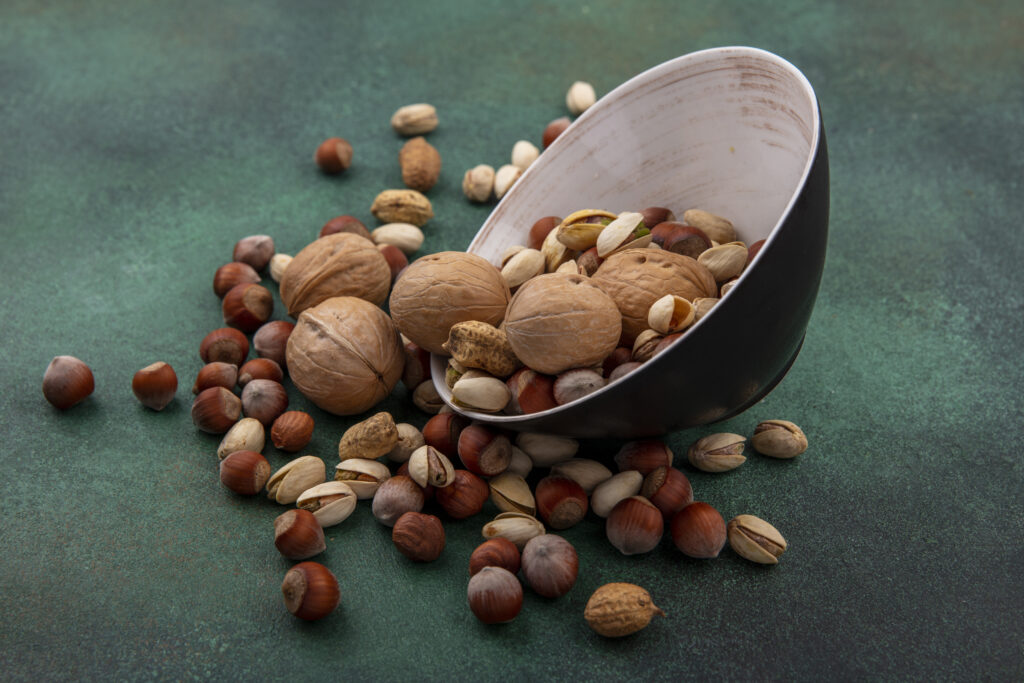
Nuts like almonds, walnuts, and seeds such as chia and flaxseeds are excellent sources of magnesium and healthy fats.
Magnesium deficiency has been linked to increased stress and anxiety.
Health benefits:
- Supports brain function
- Reduces stress levels
- Improves sleep quality
Adding a small handful of nuts to your daily diet can significantly improve mental well-being.
5. Yogurt and Fermented Foods
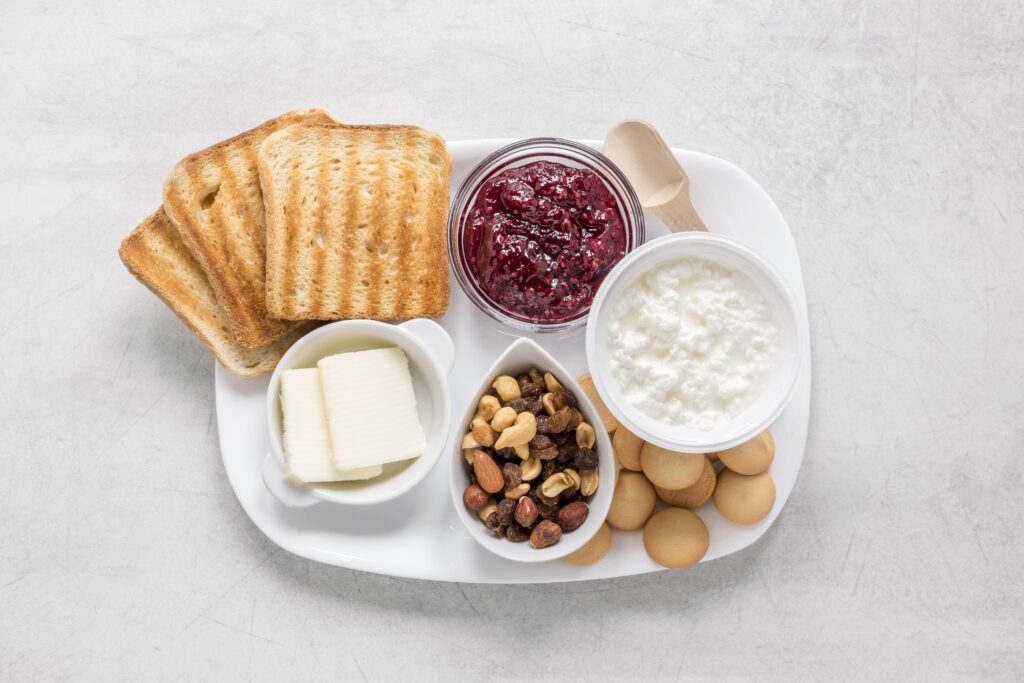
Your gut health is directly connected to your brain through what scientists call the gut-brain axis.
Fermented foods like yogurt contain probiotics that support healthy gut bacteria.
Benefits include:
- Improved digestion
- Better mood regulation
- Reduced inflammation
Healthy gut bacteria can influence neurotransmitters responsible for emotional balance.
6. Whole Grains
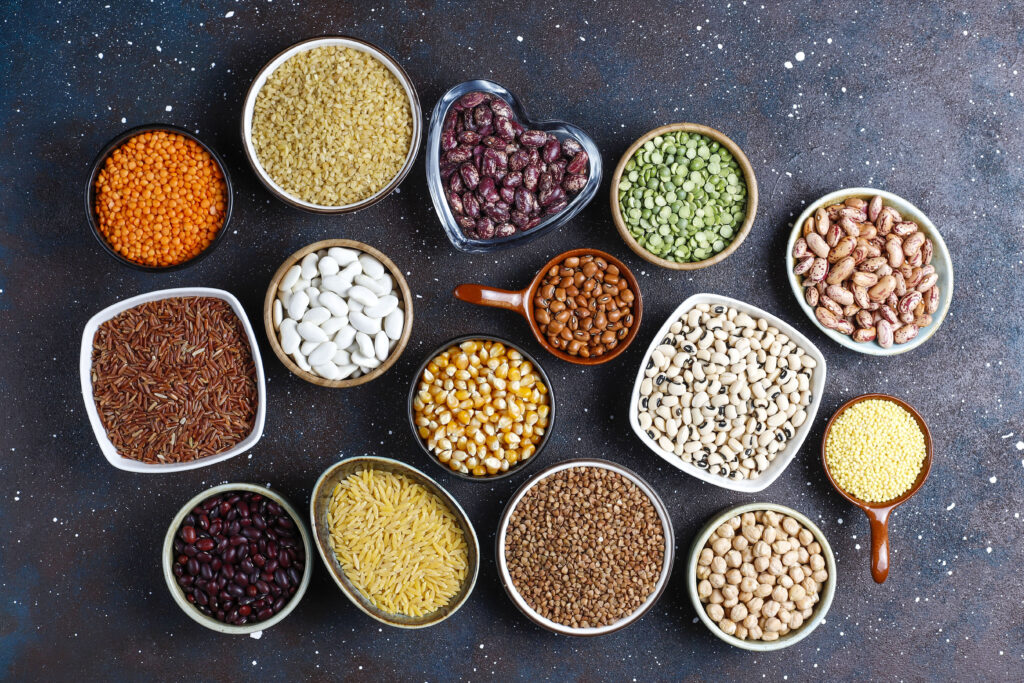
Whole grains such as oats, brown rice, and whole wheat provide complex carbohydrates that stabilize blood sugar levels.
Stable blood sugar prevents sudden mood crashes and irritability.
Whole grains help:
- Maintain steady energy levels
- Improve focus
- Reduce fatigue
For better health, try replacing refined carbohydrates with whole-grain alternatives.
7. Leafy Green Vegetables
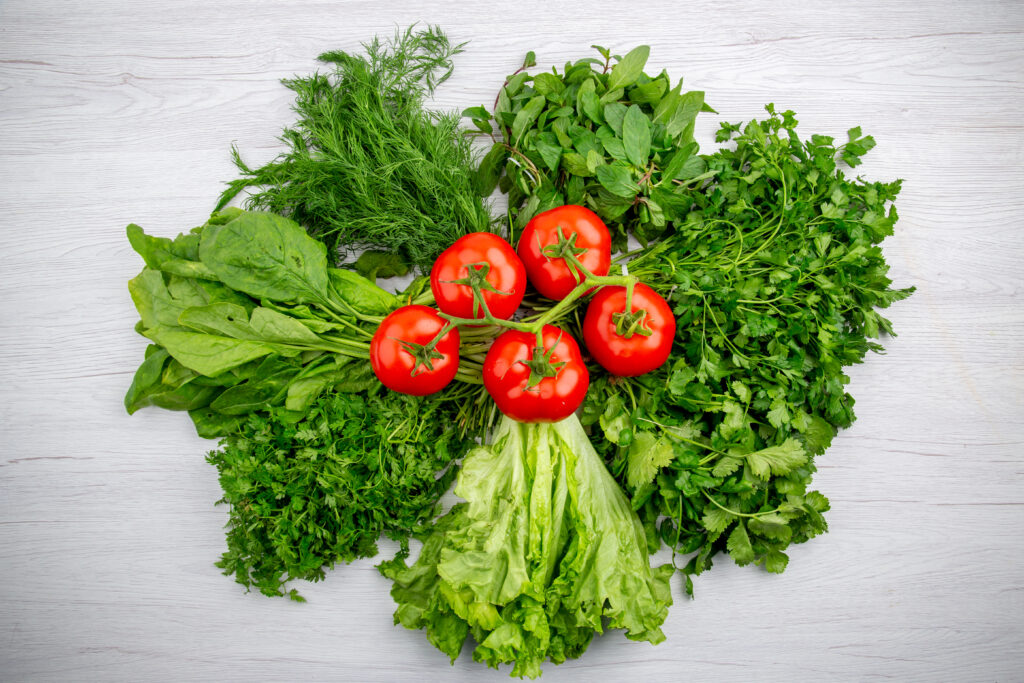
Leafy greens like spinach, kale, and broccoli are rich in folate and essential vitamins.
Low folate levels have been associated with symptoms of depression.
Benefits:
- Supports brain health
- Reduces inflammation
- Improves overall wellness
Incorporating vegetables into your daily meals is one of the simplest ways to improve both physical and mental health.
Other Eating Habits That Improve Mental Well-Being
Besides specific foods, healthy eating habits also play a key role in maintaining emotional balance.
For example, regular meals, balanced nutrition, and proper hydration can help prevent mood swings.
If you want to build a healthier lifestyle, you can read our article https://wikiawareness.org/healthy-food-healthy-life-simple-eating-habits-for-better-well-being/ which explains simple eating habits that support overall well-being.
In addition, brain health is closely linked to memory and cognitive performance. If you’re interested in improving your mental clarity, check out https://wikiawareness.org/improve-memory-naturally/ for natural ways to enhance memory.
Frequently Asked Questions (FAQ)
1. Which food improves mood instantly?
Dark chocolate, bananas, and nuts can provide quick mood improvement because they support serotonin production and provide immediate energy.
2. Can diet affect mental health?
Yes. Studies from the World Health Organization show that poor diet can increase the risk of stress, fatigue, and mental health problems.
3. What foods should be avoided for better mood?
Highly processed foods, excessive sugar, and fast food may cause energy crashes and mood swings.
4. How often should mood-boosting foods be eaten?
Including these foods regularly in a balanced diet is more beneficial than eating them occasionally.
5. Does skipping meals affect mood?
Yes. Skipping meals can cause low blood sugar, which leads to irritability and poor concentration. Our article on skipping breakfast effects explains this in detail.
Conclusion
Your mood is not only influenced by life situations but also by what you eat every day.
Nutrient-rich foods like dark chocolate, fatty fish, bananas, nuts, whole grains, yogurt, and leafy greens can naturally support brain health and emotional balance.
By combining these foods with consistent eating habits and a healthy lifestyle, you can improve your mood, energy levels, and overall well-being.
Start by making small dietary changes today, and your mind and body will thank you.