
⚠️ Disclaimer
The information shared in this blog is intended for educational and general wellness purposes only. It is not a substitute for professional medical advice, diagnosis, or treatment. Always consult a qualified healthcare provider, therapist, or medical professional before making any significant changes to your diet, exercise routine, mental health practices, or lifestyle — especially if you have existing health conditions.
If you are experiencing severe stress, anxiety, depression, or any medical emergency, please seek immediate professional help. Your health and safety should always come first.
Introduction
This health and wellness guide for beginners is designed to help you start small and build healthy habits that last. If you want to start a healthy lifestyle, it can feel confusing and boring today.
Most of the time, we hear different concepts from different people. It is like, if one person says stop eating carbs, while another one says eat more carbs. If someone suggest to do intense workouts, others recommend doing meditation or yoga.
If you are a beginner today, to resolve the health and wellness issues, then the eventual truth is that health and wellness are not about perfection; it is about small daily habits that can improve your entire body, along with your mindset, over time.
This complete guidance will help you to understand wellness in a very simple way without complicated rules, so that you can easily and confidently start, and also enjoy your journey.

What does Health and Wellness actually mean?
Most of the people think that good health means only being free from illnes but it is not actually that. Wellness is more than that,t which includes:
1. Feeling energetic and activated during the entire day
2. Sufficient sleeping peacefully
3. Eating healthy and nourishing food
4. Managing overstress
5. Staying physically active and vibrant
6. Feeling mentally calm and balanced
If you predict that wellness is only a one-week or several-day challenge, then your opinion is absolutely wrong. Rather, it is a lifestyle you build slowly.
If you are a beginner who wants to start following a healthy and happy life, several important and basic key points you should understand at first, these are:
1. Understanding Your Current Health Status
2. Body Weight and BMI
3. Building Healthy Eating Habits
4. Starting Your Fitness Journey by Following the Right Way
5. Managing Stress and Mental Wellness
Why Beginners Often Feel Overwhelmed?
Various people, especially beginners, actually think about how to start, and it may be a longer or more consistent struggle. Not actually that, but it is also a regular habit that can solve all your health-related problems. Usually, at the initial stage, they generally think,
“I always fail, so why try?”
“I need a perfect diet plan.”
“I must join a gym”
“I don’t have enough time.”
But one thing most people do not know is that wellness does not start with major changes or any kind of transformation. It begins with small, realistic steps. In this case, I am sharing my own previous experience on the same matter, where I was also thinking that I needed a strict diet at the starting phase. But, believe me, I have improved my health and wellness over time by maintaining some of the simple regular habits like drinking more water, walking daily, and sleeping on time. These are the basic habits that I started following to keep myself healthier and wealthier.
Pillar 1: Understanding Your Current Health Status

Why Is Checking Your Current Health Status Important?
As most beginners suffer from the biggest confusion at the starting point, they often directly try to jump into diets, workouts or supplements without understanding any core important things according to their lifestyle. So, at first, checking or understanding your health status before jumping into diets or workouts is a comprehensively vital part. It is because your body is not like others; everyone has their unique and different body, so in that case, if something works for someone else, it may not work for you similarly.
Therefore, knowing your current health condition can help you broadly from multiple perspectives. If you check your current health status clearly, you can easily identify potential health risks, such as your energy levels and habits. After noticing these wellness problems, you can be conscious about setting realistic wellness goals accurately and also be able to avoid unnecessary stress or extreme routines as per your needs.
Health is not always only about balanced weight; it includes physical, mental, and emotional well-being.
Key Areas to Optimize in Your Health
Focusing on core wellness like physical health, body weight and BMI, mental and emotional well-being, regular eating habits and nutrition status, sleeping time and patterns, medical checkups and health markers are indispensable to understand your health properly.
Physical Health: How Does Your Body Feel Daily?
To check your physical health, you can start by noticing basic signs from your body. This is like whether you feel exhausted even after enough sleeping or not, suffer from frequent headaches or body pain, and if you stay physically active or mostly sedentary. For this, it is also important to know whether you are suffering from being overweight or not. Because it has been clinically proven that obesity and HFpEF patients exhibit a unique phenotype that significantly impairs their quality of life in terms of their health.
A study shows that living with HFpEF affects various aspects of life; participants who are patients or clinicians describe effects on their physical functioning (e.g., walking), daily living activities (e.g., housework), and employment. There have also been reports of effects on relationships, social life, sleep, and emotional well-being (such as feeling nervous or frightened) (Kanu et al., 2026). Also, feeling annoyed all the time, and shortness of breath may prevent you from staying energetic and active.
So, if you feel disturbed all the time for your health regarding major issues, you should definitely get checked up by a physician because a small disease takes on a much bigger form day by day. Taking steps earlier can be beneficial for you and your health as your life is most valuable.
Pillar 2: Body Weight and BMI
Most of the people think that body weight is the only indicator, which is why they usually suffer from various diseases or health-related issues. But the actual truth is that body weight is not the full story. It is only one of the small parts of your overall health. Your body weight can naturally change every day due to multiple factors, such as water retention, sleep quality, hormonal changes, daily stress level, and food intake. This is the only reason why two people with the same weight can have entirely different health conditions. From my personal experience, I have noticed that one of my friends has more muscle and better stamina, whereas at the same age, another one of my friends has higher body fat and low energy. So, from this perspective, you can be able to understand that weight is not a complete measure of wellness. Rather, it has another secret.
Why is understanding BMI important to start a diet plan?
As a beginner, when you have decided to start maintaining a healthy diet, your first thought often is “I need to lose weight quickly”. But it’s crucial to know your body mass index (BMI) before committing to rigid diets, meal plans, or calorie counting.
BMI enables you to begin your health journey in a more intelligent and secure manner by giving you a basic understanding of your current weight category. It helps you to identify whether you are underweight, normal weight, overweight, or obese at the current time. If you start your dieting without understanding your BMI, your time may be wasted as there can be a higher possibility of starting the wrong type diets which does not actually suit your body. Setting Realistic Weight and Health Goals Is Aided by BMI
Unrealistic diet goals are often set by novices, such as:
- 10 kg lost in a month
- Adhering to crash diets
- Missing meals
However, BMI enables you to comprehend what is feasible and good for your body.
As an illustration, Weight loss may not be necessary for someone with a normal BMI. Someone who is overweight might need to make a few lifestyle changes. I also experienced the same in the last year. I decided to lose 5kg as per my wish, as I felt sleepy and low-energy at that time. But I had a normal weight. But starting a wrong diet is not at all good or benevolent for anyone’s health without any consultation with a special physician. Therefore, BMI helps you set realistic goals rather than unrealistic ones that may help you to go ahead in the right way.
BMI Formula (Metric System)
You have to know your exact weight in kilograms (kg) and height in meters (m):
BMI = Weight (kg) / Height
For Example: If your weight is 60kg and height is 1.65 m, then your BMI is 60/ 1.65 * 1.65 = 22.0. Therefore, your weight is normal as per the BMI calculation.
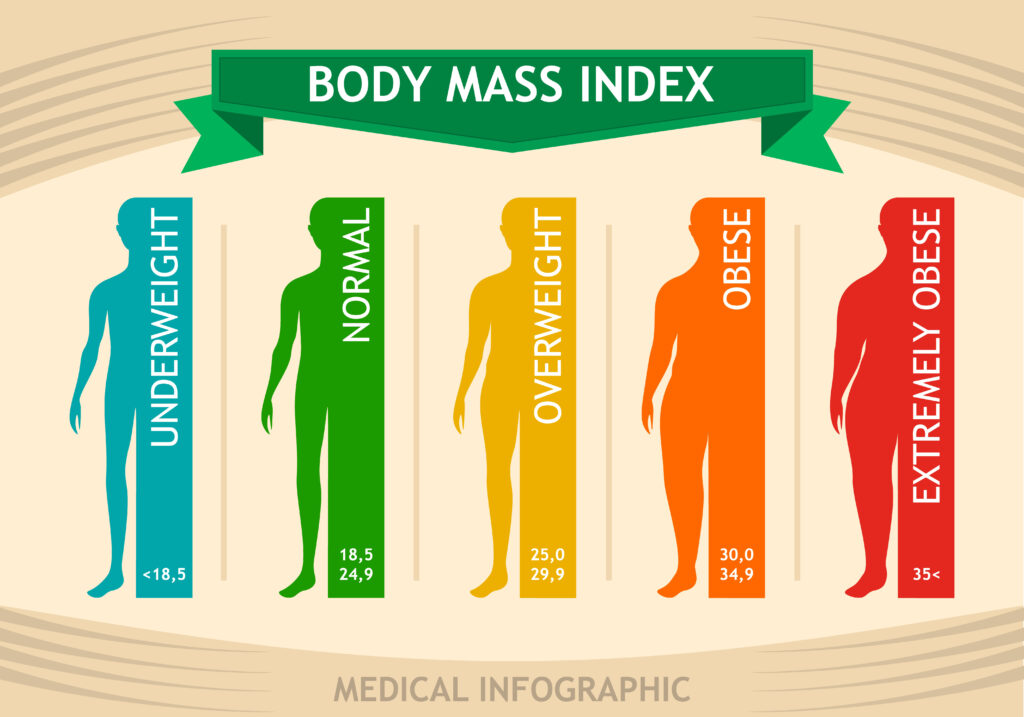
BMI Categories (General Range)
| BMI Range | Category |
| Below 18.5 | Underweight |
| 18.5 – 24.9 | Normal weight |
| 25 – 29.9 | Overweight |
| 30 and above | Obesity |
Losing weight is not the only objective of health and wellness.
The goal is to create a sustainable way of life that encourages: Energy for Fitness, Peace of mind, Power, and Prevention of disease. After checking your BMI, if you need to lose body weight, you can also start following a weight loss routine for a 7-day diet plans especially for beginners who usually become confused about how to start strictly.
Pillar 3: Building Healthy Eating Habits

Healthy eating isn’t about starving yourself or following strict diet guidelines. The true objective for novices is straightforward:
Develop enduring dietary patterns that promote your long-term health, vitality, and physical appearance.
Many people think that eating well every day is necessary for good health, but the reality is:
More important than perfection is consistency.
One of the best ways to begin your journey toward better health and wellness is to start with healthy eating habits.
Why Healthy Eating Habits Matter Most for Overall Wellness
Several queries arise in the minds of beginners as to why they should have to compromise their eating levels or habits. Beginners may not know that food is more than calories; it is fuel for your body. So, whatever you are ingesting regularly, it directly affects to your overall body health and wellness. Eating well contributes to:
- Levels of energy throughout the day
- Gut health and digestion
- Prevention of disease and immunity
- Balance of mood and mental clarity
- Effective weight control
- Balance of hormones
Your body naturally performs better when you eat healthily on a regular basis.
Healthy Eating Is Not a Short-Term Diet, It’s a Lifestyle. You can read our detailed guide on 7-day diet plans for weight loss to understand practical beginner strategies.
Starting with rigid diets like this is one of the biggest mistakes novices make.
- Crash diets
- Not eating
- Eliminating all carbohydrates
- Adhering to irrational meal plans
Although these techniques might have results in the near term, they are not long-lasting.
Eating healthily entails:
- Generally, making better food choices
- Paying attention to your body
- Establishing equilibrium rather than limitation
According to the World Health Organization (WHO), obesity significantly increases the risk of cardiovascular diseases and type 2 diabetes. Increases in the incidence of obesity worldwide have sparked interest in pharmaceutical interventions that address the neurobehavioral factors that influence eating as well as weight loss (Chong et al., 2026). Therefore, focusing on changing your eating habits plays a vital role in staying healthier.
Pillar 4: Starting Your Fitness Journey by Following the Right Way

Why is Right Fitness Journey Important for Beginners?
One of the finest ways to start living a better life is to start a fitness adventure. However, for novices, the process of starting is just as important as the actual beginning.
Many people first feel inspired and driven, but if they don’t take the proper method, they frequently suffer from:
- Damage
- Exhaustion
- Anger
- Absence of outcomes
- A decline in self-assurance
For this reason, it’s crucial for beginners to follow the proper fitness path.
Step 1: As a Beginner, Establish Reasonable Fitness Objectives
As a beginner, I also followed the wrong method, being overexcited, which affected me negatively at the initial phase of my dieting. So, before making any health-related decisions, you should be deeply aware about this particular things also. A common error made by novices is to set unrealistic goals, such as:
- Two hours of exercise every day
- Weight loss in a week
- Engaging in vigorous exercise right away.
This frequently results in injury or burnout.
Rather, begin with easy-to-achieve objectives such as:
- 20 minutes of walking per day
- Working out three to four times a week
- Gradually increasing stamina
- Having more vitality and activity
Progress, not perfection, is the ideal objective.
Step 2: Select Your Body’s Ideal Exercise Program
Fitness is more than just working out at the gym. You should select workouts that are appropriate for your present skill level as a beginner.
Excellent options for beginners include:
- Strolling
- Yoga
- Workouts at home
- Extending
- Mild strength training
- Dancing or cycling
The workout that you can do consistently is the greatest.
Step 3: Take Your Time to Prevent Injuries
Among the most crucial guidelines for beginning fitness is:
- Don’t hurry.
- It takes time for your body to adjust.
Begin by:
- Low-intensity exercises
- brief periods of time
- The right way to warm up and cool down
An example of a beginner’s plan:
- Week 1: walk for 15 to 20 minutes
- Week 2: Include bodyweight exercises and stretching
- Week 3: Gradually extend the duration
Being fit is not a race, but a journey.
Pillar 5: Managing Stress and Mental Wellness

One of the most predominant and crucial things is managing stresslevel or mental wellness. In today’s fast-paced world, stress has become a part of everyday life. Whether it’s work pressure, family responsibilities, financial concerns, or social expectations — we all experience stress at some point.
But here’s the truth:
Stress is normal. Staying stuck in stress is not.
If you’re someone who feels mentally exhausted, easily irritated, overwhelmed, or unable to focus — this guide is for you.
Let’s understand how to manage stress levels and maintain mental wellness in simple, practical ways.
What is Stress and Why Does It Affect Mental Health?
Stress is your body’s natural response to pressure or challenges. A little stress can motivate you to perform better. But when stress becomes constant, it starts affecting:
- Sleep quality
- Concentration
- Mood stability
- Physical health
- Relationships
Over time, unmanaged stress can lead to anxiety, burnout, and even depression. That’s why learning stress management is not a luxury — it’s a life skill.
Signs You May Be Experiencing High Stress
Many beginners don’t realize they’re stressed because they think it’s “normal.” Here are some common signs:
- Overthinking small issues
- Feeling tired even after sleeping
- Mood swings
- Headaches or body pain
- Avoiding social interaction
- Lack of motivation
If you relate to 3 or more of these regularly, your mind may be asking for care.
How to Manage Stress Levels, Especially for Beginners
You don’t need expensive therapy sessions to start. Small daily habits can make a big difference.
Start With Awareness (The First Step to Control)
Before managing stress, identify it.
Ask yourself:
- What exactly is stressing me?
- Is it work? Relationship? Financial pressure?
- Is it something I can control?
Personal Example:
Imagine you are preparing for an interview. You feel stressed because you fear rejection. But when you sit and think, you realize the real stress is not the interview — it’s the fear of not being “good enough.”
Once you identify this, you can start working on confidence instead of just worrying.
Awareness reduces 30% of stress instantly.
Practice the 5-5-5 Breathing Technique
When stress hits suddenly:
- Inhale for 5 seconds
- Hold for 5 seconds
- Exhale for 5 seconds
Repeat 5 times.
This simple breathing resets your nervous system and calms anxiety.
It works because stress activates your fight-or-flight response. Deep breathing tells your brain: “You are safe.”
Build a “Stress Routine”
Mental wellness doesn’t happen by accident — it’s built daily.
Create a simple routine:
- 10 minutes morning sunlight
- 15 minutes light exercise or walking
- 5 minutes gratitude journaling
- Reduce screen time before sleep
Realistic Example:
Let’s say you work in an office and come home tired. Instead of scrolling social media for 2 hours (which increases mental comparison and stress), try a 20-minute walk with music or a podcast.
Within a week, you’ll notice better sleep and improved mood.
Small habits = Long-term mental stability.
Stop Trying to Control Everything
One major cause of stress is trying to control outcomes.
You can control:
- Your effort
- Your response
- Your habits
You cannot control:
- Other people’s behavior
- Sudden life changes
- Everyone’s opinion
When you shift focus from outcome to effort, stress reduces automatically.
Talk, Don’t Bottle It Up
Suppressing emotions increases mental pressure.
You can:
- Talk to a trusted friend
- Share feelings with family
- Write your thoughts in a journal
- Seek professional help if needed
Mental wellness improves when emotions are expressed safely.
Prioritize Sleep Like It’s Medicine
Sleep is not laziness — it’s mental recovery.
Poor sleep increases:
- Anxiety
- Irritability
- Overthinking
- Emotional instability
Try:
- Fixed sleep schedule
- No phone 30 minutes before bed
- Calm music or reading
Your brain heals while you sleep.
Maintaining Long-Term Mental Wellness
Managing stress once is easy. Maintaining mental wellness daily is the real goal.
Here’s how beginners can build emotional strength:
Practice Self-Compassion
Stop being harsh on yourself. Talk to yourself like you would talk to a friend.
Set Realistic Expectations
Perfectionism increases stress. Progress matters more than perfection.
Limit Comparison
Social media shows highlights, not reality.
Do Something That Brings Joy
Painting, music, gardening, reading — hobbies reduce stress hormones naturally.
When Should You Seek Professional Help?
If you experience:
- Continuous sadness for weeks
- Panic attacks
- Loss of interest in life
- Severe sleep disturbance
It’s okay to seek a mental health professional. Asking for help is a strength, not a weakness.
Final Thoughts: Stress Management is Self-Respect
Managing stress is not about eliminating problems. It’s about strengthening your ability to handle them calmly.
Mental wellness is a daily practice — just like brushing your teeth.
Start small. Stay consistent. Be patient with yourself.
And remember: Your mind deserves the same care as your body.
In recent years, technology has started playing a powerful role in mental healthcare — especially in stress management for beginners. Research shows that AI-based conversational chatbots, powered by Natural Language Processing (NLP), can simulate human-like conversations and provide real-time emotional support (Rajasekaran et al., 2026). These tools are designed to be accessible, private, and judgment-free, making them especially helpful for individuals who may feel hesitant to open up about their stress or emotional struggles.
For example, studies highlight how beginner-level mental health chatbots have been used to support individuals undergoing occupational therapy — a phase that often brings both physical and emotional stress. Between therapy sessions, these AI companions can help users express their feelings, process stress, and feel heard in a safe space. This shows that even simple, guided conversations can make a difference in managing emotional pressure.
While chatbots are not a replacement for professional help, they demonstrate an important point: consistent emotional check-ins and safe conversations — whether with a therapist, a trusted friend, or even a digital tool — can significantly help beginners start managing stress in a healthier way.
No further thinking, No Delay.
Only focus on Health, Stay Happy and Healthy.
Conclusion
This health and wellness guide for beginners is designed to help you start small and build a sustainable lifestyle without pressure. Your health and wellness journey doesn’t need to start with perfection — it just needs to start. Small, consistent steps like improving your sleep, managing stress, eating mindfully, and moving your body can create powerful long-term changes. Remember, wellness is not about quick fixes or comparing yourself to others. It’s about listening to your body, respecting your mental space, and building habits that truly support you.
If you ever feel overwhelmed, slow down — not give up. Progress may be gradual, but every healthy choice you make today is an investment in a stronger, calmer, and more confident you tomorrow.
FAQ Section
1️⃣ What is the first step to start a health and wellness journey?
The first step is to start small and stay consistent. You don’t need a drastic diet or an intense workout plan. Begin with simple habits like drinking more water, sleeping on time, and taking a 20-minute walk daily. Small changes create lasting results.
2️⃣ How can beginners manage stress effectively?
Start with basic stress-management techniques like deep breathing, journaling, light exercise, or limiting screen time before bed. Even 10 minutes of mindfulness daily can help calm your mind and improve emotional balance.
3️⃣ Do I need a strict diet plan to stay healthy?
No. Wellness is about balance, not restriction. Focus on eating more whole foods, fruits, vegetables, and staying hydrated. Instead of cutting everything you love, practice portion control and mindful eating.
4️⃣ How important is sleep in overall wellness?
Sleep is extremely important. Poor sleep affects mood, immunity, focus, and even weight management. Aim for 7–8 hours of quality sleep and create a simple bedtime routine to improve rest.
5️⃣ How often should beginners exercise?
You don’t need to work out daily at the beginning. Start with 3–4 days a week. Walking, stretching, yoga, or light home workouts are great starting points. The goal is consistency, not intensity.
6️⃣ What if I feel unmotivated or give up easily?
That’s completely normal. Motivation comes and goes, but habits stay. Focus on building routines instead of waiting to feel motivated. Even on low-energy days, doing something small keeps you moving forward.
7️⃣ How can I improve my mental health naturally?
Stay connected with supportive people, practice gratitude, limit negative content consumption, and make time for activities you enjoy. If stress or anxiety feels overwhelming, don’t hesitate to seek professional support.
8️⃣ Is wellness only about physical health?
Not at all. True wellness includes physical, mental, emotional, and even social well-being. Feeling balanced, calm, and connected is just as important as staying physically fit.
9️⃣ How long does it take to see results?
Results vary for everyone. Some changes like better sleep or improved mood can happen within weeks. Physical changes may take longer. The key is patience and sustainable habits.
🔟 Can beginners follow wellness routines without professional guidance?
Yes, you can start with basic lifestyle improvements on your own. However, if you have medical conditions or severe mental health concerns, it’s always best to consult a healthcare professional before making major changes.
References
Kanu, C., Al-Zubeidi, T., Shinde, S., Al-Jassar, G., Poon, J.L., Miller, J., Marshall, C. and Carmichael, C., 2026. Understanding the patient experience of heart failure with obesity and preserved ejection fraction (HFpEF): qualitative insights from patients and clinicians. Journal of Patient-Reported Outcomes.
Chong, M.C., Ko, T.Y.L., le Roux, P.L. and le Roux, C.W., 2026. Changes in Eating Behaviour During Treatment With Obesity Medications. Clinical Obesity, 16(1), p.e70065.
Rajasekaran, G., Ali, M.M.S., Rajest, S.S. and Regin, R., 2026. Design and Development of a Mental Health Chatbot Using Natural Language Processing for Emotional Support. Central Asian Journal of Medical and Natural Science, 7(1), pp.122-137.