

Skipping Breakfast Effects: What Happens to Your Body?
Many people skip breakfast because of busy mornings, dieting goals, or simply not feeling hungry. However, understanding the skipping breakfast effects on your body is important for maintaining good health. Breakfast is often called the “most important meal of the day,” but is that really true?
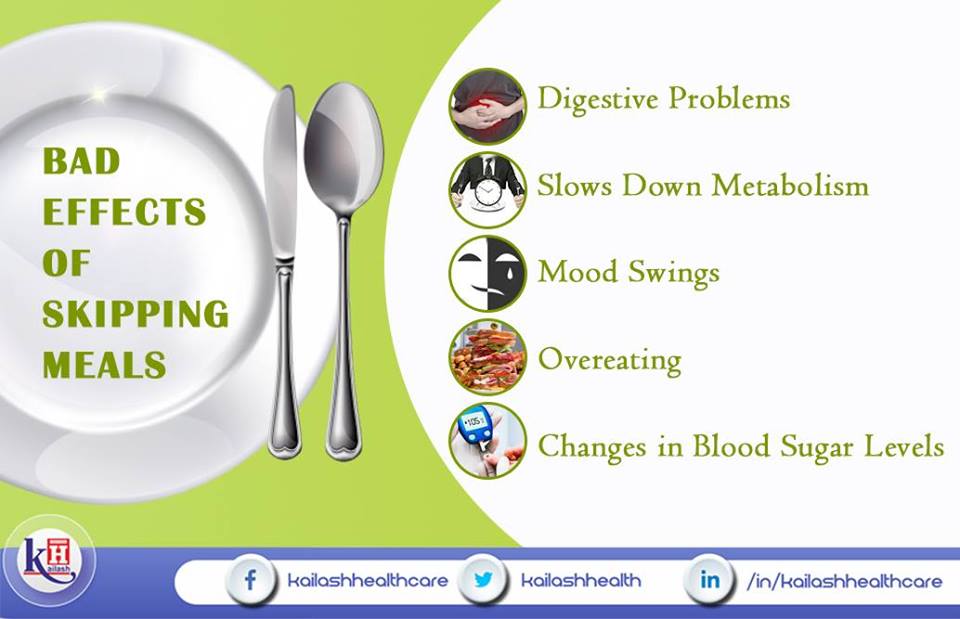
Research suggests that regularly skipping breakfast may affect metabolism, energy levels, and overall nutrition. While occasional fasting may not harm healthy individuals, frequently skipping the first meal of the day can have several health consequences.In this article, we will explore the major effects of skipping breakfast, what science says about it, who should avoid skipping breakfast, and healthy alternatives for starting your day. At the same time, if you want to boost your immune system, you can check out the complete ideas of the best fruits and vegetables for strong immunity.
Skipping Breakfast Effects on Energy Levels
One of the most noticeable effects of skipping breakfast is reduced energy during the morning.
After sleeping for 7–8 hours, your body has used much of its stored energy. Breakfast helps restore glucose levels, which are the main fuel for the brain.
Common symptoms of low morning energy include:
- Fatigue or sluggishness
- Difficulty concentrating
- Headaches
- Mood irritability
When you skip breakfast, your body must rely on stored energy for longer periods. This can make you feel tired and less productive during the day.
Studies have shown that people who eat a balanced breakfast often perform better in mental tasks, particularly students and working professionals.

Skipping Breakfast Effects on Metabolism
Another important effect of skipping breakfast involves your metabolism.
Your metabolism is the process by which your body converts food into energy. Eating breakfast helps “activate” this process early in the day. If you are too busy with your professional life and overall activities, for which reason skipping breakfast has becoming your daily habit, then you can take guidance of another blog page of healthy eating tips for busy lives.
When you skip breakfast regularly:
- Your metabolism may slow down
- Your body may conserve energy
- Fat burning may become less efficient
Some studies suggest that eating a healthy breakfast may help maintain better metabolic balance throughout the day.
However, the relationship between breakfast and metabolism is complex. Some people practicing intermittent fasting may skip breakfast intentionally, but this should be done carefully and under guidance.
Skipping Breakfast Effects on Weight Management

Many people skip breakfast hoping it will help them lose weight. But research shows mixed results.
In some cases, skipping breakfast may actually lead to overeating later in the day.
Possible weight-related effects include:
- Increased hunger at lunch
- Cravings for unhealthy snacks
- Larger meal portions later in the day
- Higher calorie intake overall
When your body feels deprived of food in the morning, it may trigger stronger hunger signals later.
Eating a balanced breakfast with protein, fiber, and healthy fats may help control appetite throughout the day.
Skipping Breakfast Effects on Blood Sugar
Skipping breakfast may also influence blood sugar levels, especially in people who already have metabolic conditions.
After long hours without food, blood sugar can drop. This may cause symptoms such as:
- Dizziness
- Weakness
- Irritability
- Difficulty focusing
For people with diabetes or insulin resistance, skipping breakfast may lead to unstable blood sugar throughout the day.
Some studies show that breakfast consumption can improve glucose control and reduce sudden blood sugar spikes later.
Skipping Breakfast Effects on Brain Function
Your brain requires a steady supply of glucose to function properly.
One of the lesser-known skipping breakfast effects is reduced cognitive performance.
Research has linked breakfast consumption with:
- Better memory
- Improved concentration
- Faster problem-solving skills
- Enhanced mood
Children and teenagers especially benefit from breakfast because their brains are still developing.
Adults may also experience improved productivity when starting the day with a nutritious meal.
Skipping Breakfast Effects on Nutrient Intake
Breakfast is an opportunity to consume essential nutrients that your body needs.
When you skip breakfast, you may miss important nutrients such as:
- Fiber
- Calcium
- Vitamins B and D
- Protein
- Iron
Over time, this can lead to nutritional gaps in your diet.
People who regularly eat breakfast tend to have healthier diets overall compared to those who skip it.
Who Should Not Skip Breakfast?
While some healthy adults may occasionally skip breakfast without major issues, certain groups should avoid it.
People who should not skip breakfast include:
- Children and teenagers
- Pregnant women
- People with diabetes
- Individuals with low blood sugar
- People with high physical activity levels
These groups require steady energy and nutrients throughout the day.
For them, skipping breakfast may lead to fatigue, poor concentration, or health complications. According to WHO, skipping breakfast everyday can comprehensively impact your overall health and body strength that can reduce your energy to work throughout the day.

Healthy Breakfast Alternatives
If you find it difficult to eat a large meal in the morning, you can choose simple and healthy options.
Quick healthy breakfast ideas:
Protein-rich options
- Greek yogurt with fruit
- Eggs with whole-grain toast
- Protein smoothie
High-fiber options
- Oatmeal with nuts and seeds
- Whole grain cereal with milk
- Chia pudding
Balanced breakfast ideas
- Avocado toast with egg
- Peanut butter banana smoothie
- Cottage cheese with berries
A balanced breakfast should ideally include:
- Protein
- Fiber
- Healthy fats
- Complex carbohydrates
These nutrients help maintain stable energy levels throughout the morning.
Is Skipping Breakfast Ever Okay?
Some people practice intermittent fasting, which involves eating within specific time windows. If you want to live a healthier life from now on, you can check out the overall basic guidance of starting a healthy lifestyle step by step.
In certain cases, skipping breakfast may be part of this approach. However, it may not be suitable for everyone.
Before adopting fasting routines, consider:
- Your lifestyle
- Your health conditions
- Your energy needs
Consulting a healthcare professional can help determine what works best for your body.
Is skipping breakfast bad for your health?
Skipping breakfast occasionally may not harm healthy adults. However, regularly skipping breakfast can affect energy levels, metabolism, blood sugar balance, and overall nutrient intake.
Does skipping breakfast help with weight loss?
Skipping breakfast does not guarantee weight loss. In many cases, it may increase hunger later in the day and lead to overeating or unhealthy snacking.
| Breakfast Habit | Possible Effect |
|---|---|
| Regular breakfast | Stable energy |
| Skipping breakfast | Fatigue |
| High protein breakfast | Better metabolism |
Conclusion
Understanding the skipping breakfast effects can help you make better dietary decisions. While skipping breakfast occasionally may not harm healthy individuals, doing so regularly can impact energy levels, metabolism, blood sugar, and overall nutrient intake.
Eating a balanced breakfast can support better concentration, improved metabolism, and healthier eating patterns throughout the day.
If mornings are busy, even a small and nutritious meal can make a difference. Choosing simple options like yogurt, oatmeal, or smoothies can help your body start the day with the energy it needs.
Making mindful breakfast choices is a simple step toward maintaining long-term health and wellness.