
Introduction
Improve gut health naturally is no longer just a trend—it’s a cornerstone of overall wellness. Your digestive system is home to trillions of microorganisms that influence digestion, immunity, metabolism, and even mental health.
Gut health is no longer just a trending topic—it’s a cornerstone of overall wellness. Your digestive system is home to trillions of microorganisms that influence digestion, immunity, metabolism, and even mental health.
However, modern lifestyle habits like processed diets, chronic stress, and poor sleep are silently damaging this delicate system.
The gut microbiome acts like a hidden organ, influencing immunity, inflammation, and overall health (Wang et al., 2026).
The good news? You don’t need expensive treatments. With the right natural strategies, you can restore and maintain a healthy gut.
What is Gut Health and the Microbiome?
Gut health refers to the balance of microorganisms (bacteria, fungi, viruses) living in your digestive tract.
These microbes:
- Help digest food
- Produce essential nutrients
- Support immune function
- Protect against harmful pathogens
As per NIH, A balanced gut microbiota is essential for metabolic, immune, and physiological functions.
When this balance is disturbed, it leads to digestive discomfort and long-term health risks.
How Do You Realise Your Gut is Unhealthy?
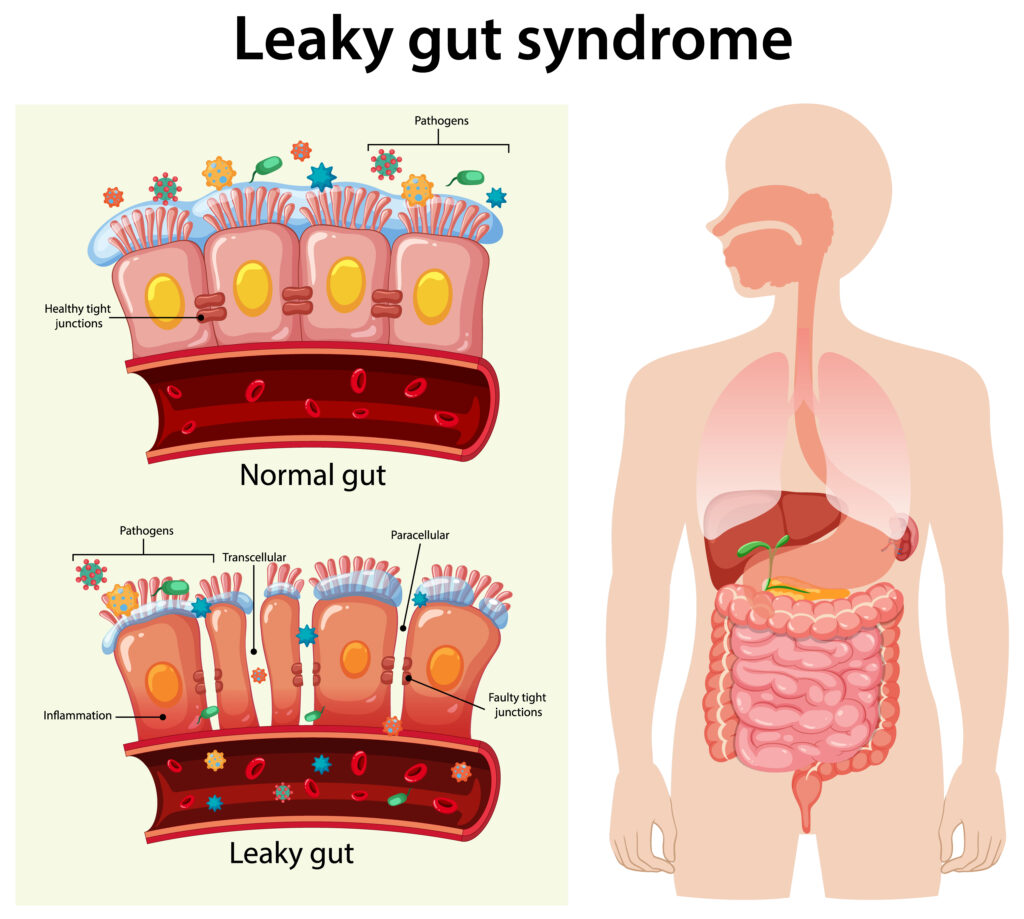
Your body gives clear signals when your gut is struggling.
Common Symptoms:
- Bloating, gas, constipation
- Diarrhea or acid reflux
- Fatigue and low energy
- Skin issues (acne, eczema)
Digestive issues and food sensitivities often indicate an imbalance in gut bacteria (Malgesini et al., 2026).
Less Obvious Signs:
- Anxiety or mood swings
- Poor sleep
- Brain fog
This happens due to the strong gut-brain connection.
Negative Effects of Gut Inflammation
Gut inflammation occurs when harmful bacteria dominate beneficial ones.
Effects:
- Weak digestion
- Nutrient deficiency
- Increased infection risk
According to National Library of Medicine, an imbalanced microbiome can increase inflammation and risk of chronic diseases.
If ignored, it can lead to long-term health complications.
7 Proven Ways to Improve Gut Health Naturally
This is the core of your article—each method is deeply explained and aligned with SEO intent.
1. Eat a High-Fiber, Plant-Based Diet
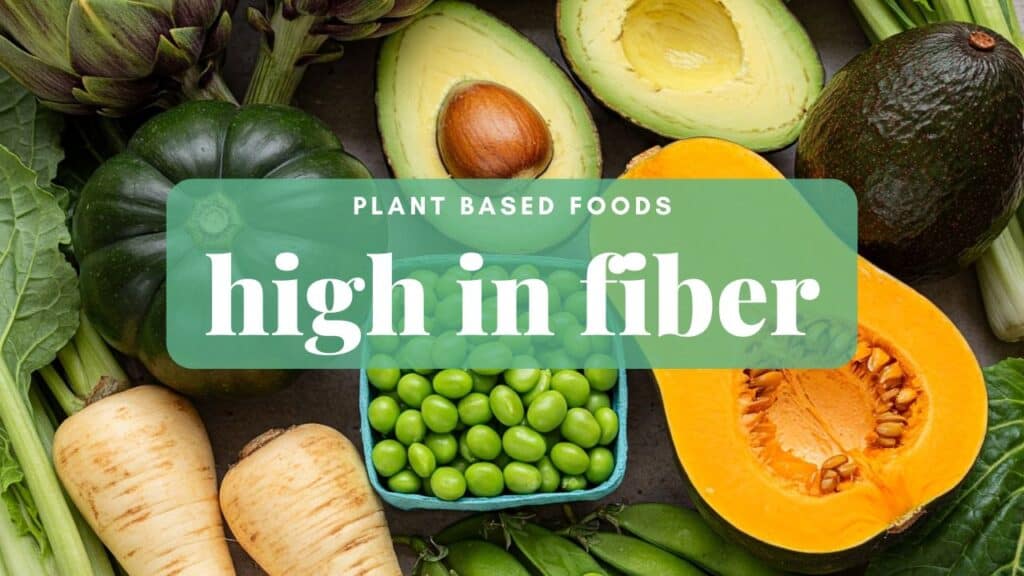
Fiber is the foundation of gut health. It feeds beneficial bacteria and improves digestion.
👉 How it works:
Fiber reaches the colon undigested, where it is fermented by gut bacteria, producing short-chain fatty acids that support gut lining and reduce inflammation.
High-fiber intake increases beneficial bacteria and improves bowel health significantly.
Best sources:
- Fruits (apple, banana)
- Vegetables (broccoli, spinach)
- Whole grains & legumes
Tip: Aim for 25–30g fiber daily for optimal results.
2. Include Probiotic and Fermented Foods Daily
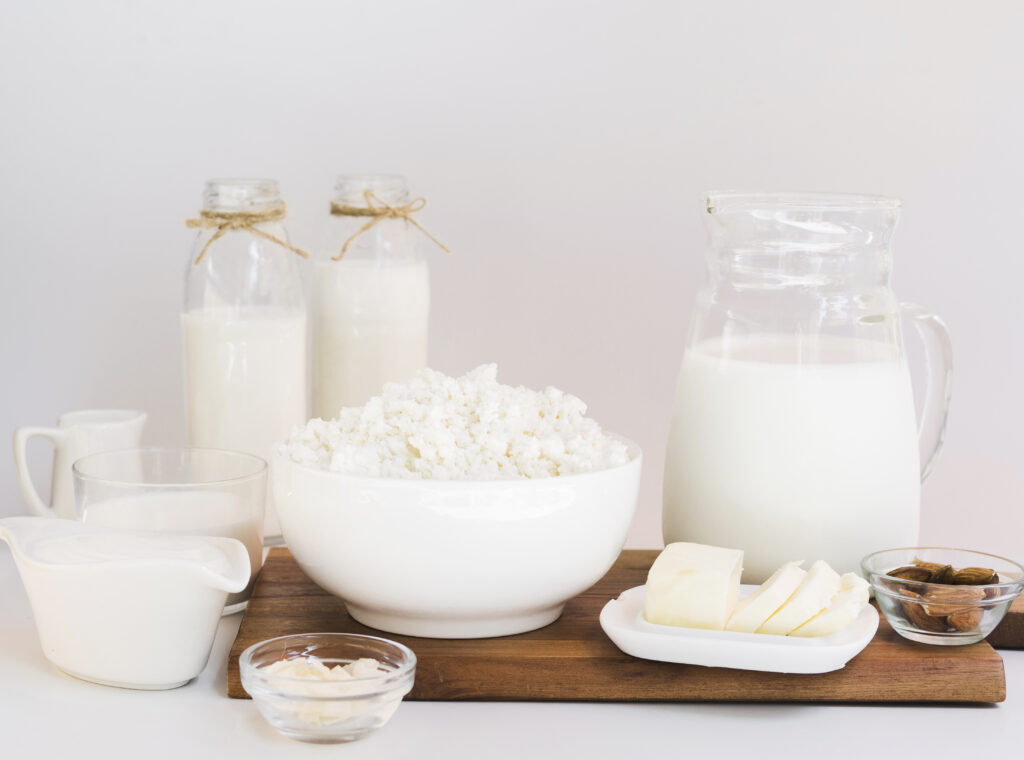
Probiotics are live beneficial bacteria that restore gut balance.
How it works:
They introduce good bacteria into your gut, improving digestion and immunity. If you want to know more about improving your digestion process easily, you can follow another blog “Does Chewing Food Well Help Digestion?“.
Fermented foods contain probiotics and help maintain a healthy gut microbiome (Iyengar et al., 2026).
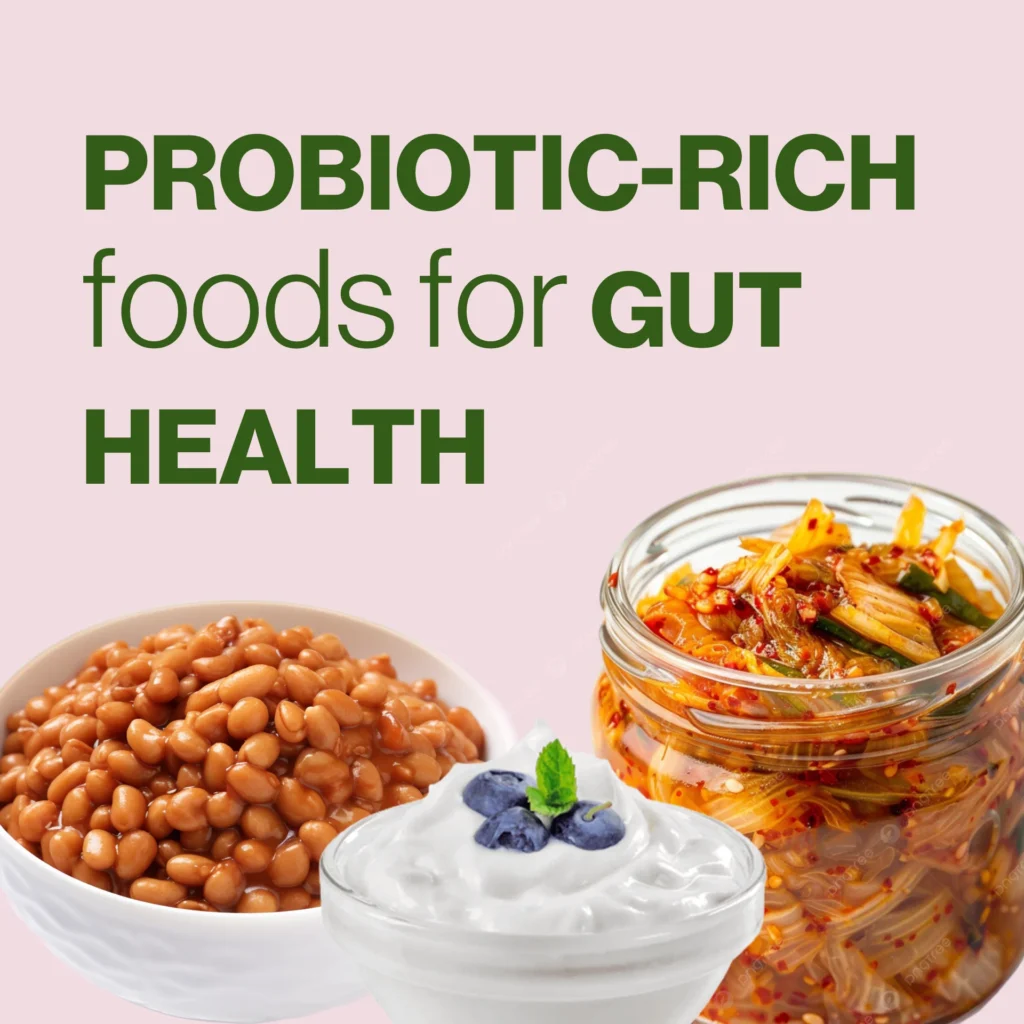
Best probiotic foods:
- Yogurt (curd/dahi)
- Kefir
- Kimchi
- Sauerkraut
👉 Tip: Natural food sources are often more effective than supplements.
3. Feed Good Bacteria with Prebiotics
Prebiotics are the “food” for probiotics.
How it works:
They nourish beneficial bacteria, helping them grow and function properly.
“Prebiotics promote the growth and activity of healthy gut microbes.”
Best sources:
- Garlic, onion
- Banana
- Oats
👉 Important: Without prebiotics, probiotics cannot survive long-term.
4. Reduce Processed Foods and Sugar
Highly processed foods disrupt gut bacteria and increase inflammation.

How it harms:
- Feeds harmful bacteria
- Reduces microbial diversity
- Triggers inflammation
A diet low in processed foods is key to maintaining a healthy gut microbiome.
👉 Replace with whole, natural foods for better results.
5. Manage Stress and Support the Gut-Brain Axis
Stress directly affects digestion and gut bacteria.
Stress hormones slow digestion and alter microbial balance.
How it works:
Changes in gut microbiome are linked with mood and mental health conditions (Anyimadu et al., 2026).
Effective methods:
- Meditation
- Yoga
- Deep breathing
👉 Even 10–15 minutes daily can improve gut health significantly.
6. Stay Hydrated and Support Digestion
Water plays a crucial role in digestion and gut function.
👉 How it works:
- Helps break down food
- Supports nutrient absorption
- Maintains intestinal lining
👉 Hydration also supports fiber movement in the digestive tract.
👉 Aim for 7–8 glasses daily.
7. Improve Sleep Quality and Daily Routine
Sleep is often ignored but directly impacts gut health.
How it works:
Poor sleep disrupts gut bacteria and increases inflammation.
Lifestyle factors like sleep and diet strongly influence gut microbiome balance.
Tips:
- Maintain a fixed sleep schedule
- Avoid late-night eating
- Reduce screen time before bed
Essence of Eating Probiotic Foods
Probiotics + prebiotics together create a balanced gut ecosystem.
Combining fiber and probiotics helps beneficial bacteria thrive and improve digestion.
Consistency matters more than quantity. By maintaining all these different habits, you can improve gut health naturally. You can also check our other effective and helpful blog “Best Fruits and Vegetables for a Strong Immune System,” for leading a healthier and wealthier life.
When Should You Consult a Doctor?
Seek medical help if you notice:
- Persistent stomach pain
- Blood in stool
- Chronic digestive issues
Ignoring severe gut symptoms may delay diagnosis of underlying conditions (WHO).
Conclusion
Improving gut health naturally is not about quick fixes—it’s about sustainable habits.
By following these 7 proven ways, you can:
- Restore digestive balance
- Boost immunity
- Improve overall well-being
Your gut is the foundation of your health—take care of it daily, and your body will reward you in the long run.
FAQ Section
How long does it take to improve gut health?
Usually 2–8 weeks with consistent lifestyle changes.
What is the fastest way to improve gut health?
Increase fiber intake, add probiotics, and reduce processed foods.
Are probiotics necessary?
Yes, but best consumed through natural foods rather than supplements.
Can gut health affect mental health?
Yes, due to the gut-brain connection.
References
Wang, Y., Huang, B., Wei, X., Guan, Y., Li, L., Zheng, Y. and Sun, W., 2026. Gut microbiota metabolic reprogramming drives the development of metabolic diseases in the host. Gut Microbes, 18(1), p.2644681.
Malgesini, A., Marsiglia, M.D., Borghi, E., Marzano, A.V. and Nazzaro, G., 2026. The Emerging Role of Gut Microbiota in Inflammatory Skin Diseases: A Systematic Review. Experimental Dermatology, 35(3), p.e70234.
Iyengar, A., Ramadass, B., Venkatesh, S. and Mak, R.H., 2026. Gut microbiota-targeted therapies in pediatric chronic kidney disease: gaps and opportunities. Pediatric Nephrology, 41(1), pp.33-43.
Anyimadu, C.F., Agarwal, A., Kaur, N., Tripathi, A.D., Deokar, G.S., Al-Asmari, F., Sangsawad, P., Ozogul, F., Abass, K.S., On-Nom, N. and Nirmal, N., 2026. Effects of Food Components, Processing Technologies, Additives, and Processed Food on Gut Health. Food Reviews International, pp.1-29.